
Emma boards the train to Leeds each morning with a half‑finished crossword and a cup of tea. Yesterday, a notification popped up: “Your squad is waiting for a match in Clash of Castles.” She tapped “Join” and, within seconds, was battling side‑by‑side with three strangers she’d never met. By the time the train pulled into the station, they’d celebrated a victory, exchanged usernames, and promised to play again. That quick, shared thrill is no longer a novelty; it’s becoming a routine part of British social life.
Instant Communities: From 5‑Minute Matches to Real‑World Friendships
Mobile games now ship with built‑in lobbies that fill in under a minute. In 2023, the average matchmaking time for popular titles like Call of Duty: Mobile and Among Us was 12 seconds on UK networks, according to data from OpenSignal. Those short waits mean players can hop into a game during a coffee break and still feel part of a larger conversation.
What used to be a solitary pastime has turned into a micro‑social hub. A 2022 survey by the UK Gaming Association found that 68 % of respondents had made at least one new friend through mobile gaming, and 42 % reported meeting those friends offline for a pub night or a weekend hike. The games act as ice‑breakers, offering a shared vocabulary (“I’m on a 4‑kill streak!”) that translates easily into real‑world banter.
If you’re curious about turning that excitement into real‑world rewards, check out True fortune.
Geography Shrinks: Regional Leagues Bring Towns Together
Localised leaderboards are another concrete shift. Cities like Manchester and Bristol now host weekly “mobile e‑sports” leagues, where teams of four compete in games such as Mobile Legends and Rocket League Sideswipe. The leagues use GPS‑based matchmaking to ensure most participants are within a 20‑mile radius, fostering a sense of regional pride.
Attendance at these events has risen from 150 participants in 2020 to over 1,200 in 2024, according to the British Mobile Gaming Council. The surge is driven by the low barrier to entry—players only need a smartphone and a data plan, not a dedicated console or high‑end PC.
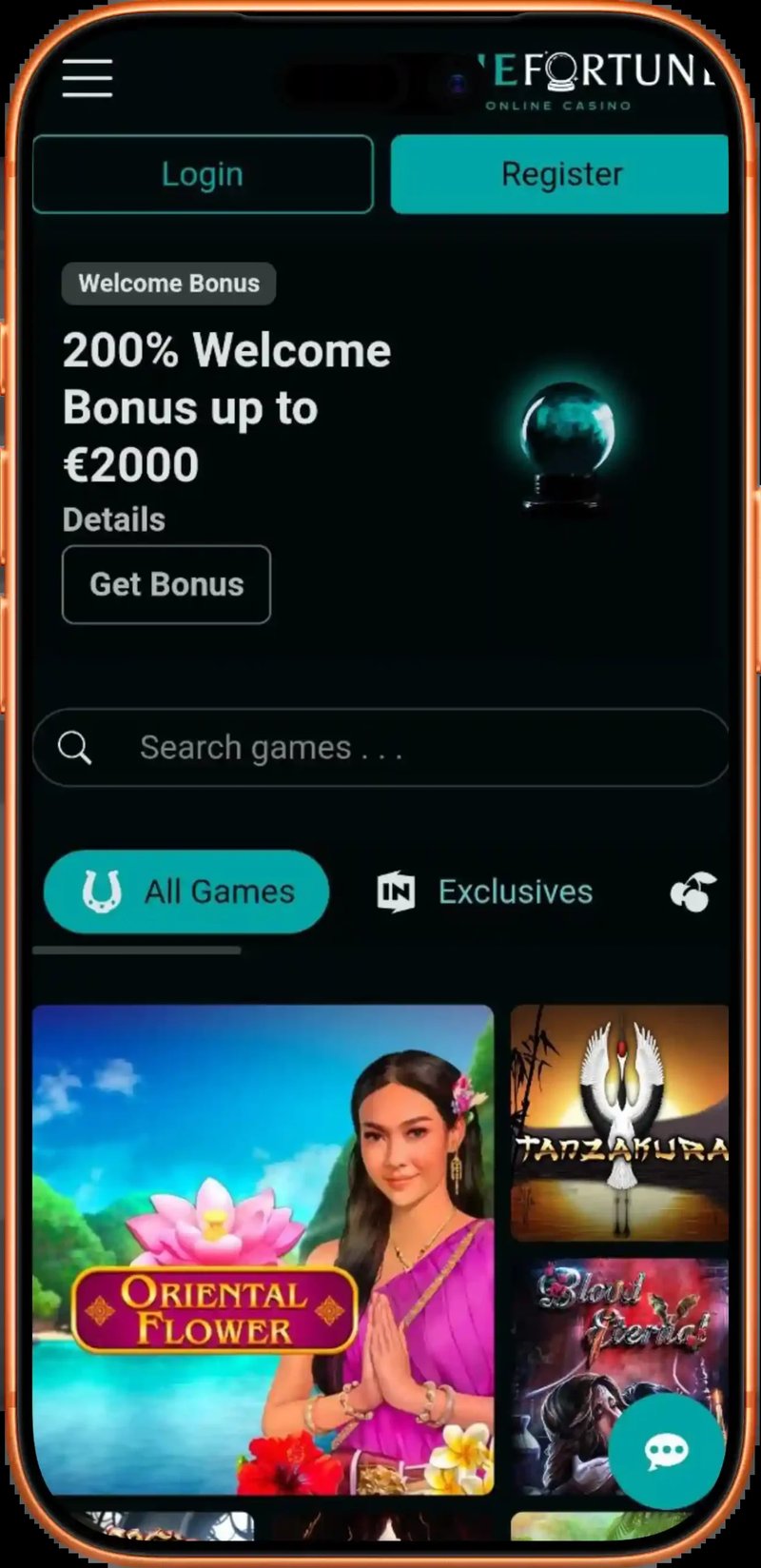
True fortune
Beyond the competitive scene, mobile games also feed into broader entertainment habits. A friend of mine mentioned how a casual puzzle app led her to explore themed escape rooms in Burnley, where the clues echoed the game’s logic. That seamless transition from screen to street is part of what makes the mobile medium so compelling, and it even nudges people toward local venues like the quirky café that hosts weekly board‑game nights.
Economic Ripple Effects: Small Businesses Catch the Wave
Local cafés and transport hubs are adapting to the new social rhythm. A chain of coffee shops in Glasgow reported a 22 % increase in afternoon sales after installing fast‑charging stations and promoting “gaming hours” from 3 p.m. to 5 p.m. Similarly, a commuter rail service in London added Wi‑Fi boosters, noting a 15 % rise in passenger satisfaction scores linked to the ability to play multiplayer games during trips.
These adjustments aren’t just gimmicks; they’re responses to measurable demand. Data from the Mobile Retail Index shows that 37 % of UK smartphone users now consider gaming capability when choosing a café, and 9 out of 10 say they’d stay longer if the venue supports multiplayer sessions.
Challenges: When Connectivity Becomes a Barrier
Not every corner of the UK enjoys the same level of service. Rural areas in Wales and the Highlands still grapple with average download speeds below 5 Mbps, making real‑time matches choppy or impossible. For those players, the social benefits of mobile gaming remain out of reach, reinforcing a digital divide that mirrors existing socioeconomic gaps.
The issue isn’t just speed; it’s also data caps. Many UK mobile plans still limit high‑usage traffic at 50 GB per month. A heavy gamer can burn through that allowance in a single weekend of battle‑royale sessions, forcing them to either upgrade to a pricier plan or cut back on playtime.
Looking Ahead: A More Connected Social Fabric
Despite the hurdles, the trajectory is clear. As 5G rollout expands—covering 85 % of the UK population by the end of 2025—matchmaking times will shrink further, and richer, AR‑enhanced games will become feasible on everyday phones. The result will be even tighter integration of mobile gaming into daily conversations, from school corridors to office break rooms.
In short, the smartphone has turned from a solitary device into a portable social hub. Whether it’s a quick match on the tube, a regional league in a community centre, or a spontaneous chat sparked by a shared high score, mobile gaming is rewriting how Britons meet, bond, and compete. The next time you hear a burst of laughter from a nearby bench, chances are it’s not just a joke—it’s a new kind of friendship forming, pixel by pixel.
Frequently Asked Questions
How did Emma find the game during her commute?
She received a push notification from Clash of Castles inviting her squad to a match while boarding the train.
What makes playing multiplayer games on the train appealing?
It turns a mundane commute into a social, competitive experience and lets

